How Many Hours of Driving Lessons Do You Really Need?

If you’re just starting your driving journey, you’ve probably wondered: “How many hours of driving lessons do I actually need?” It’s like asking how long a piece of string is – the answer varies wildly depending on who you ask.

Some people will brag about learning in just a few hours (spoiler alert: they’re probably not as good at driving as they think), while others might tell you horror stories about needing 50+ hours before they felt comfortable. So what’s the real deal? Here’s the breakdown in plain English.

Legal Minimum vs. What You Actually Need

Here in Virginia, the DMV requires teen drivers to complete a minimum of 14 periods of behind the wheel instruction (seven driving, seven observing) through a licensed driving school like 2020 Driving School. Adults over 18 need to hold a learner’s permit for at least 60 days before taking the road test – unless they complete a driver education course.

But the legal minimum is just that: the minimum. It’s like saying you only need to brush your teeth for 10 seconds. Technically, you touched a toothbrush to your teeth, but that’s not getting the job done properly.

The Magic Number: Is There One?

Research suggests that the average beginner needs between 20-30 hours of professional instruction, plus another 40-50 hours of practice with a licensed adult, before they’re truly ready for solo driving.

But averages are tricky things. Saying the average person needs 20 hours of instruction is like saying the average person wears a size medium. It might be statistically true, but it doesn’t mean it’s right for you personally.

Factors That Affect Your Learning Curve

Think of learning to drive like learning to cook. Some people can whip up a decent meal after watching a few TikTok videos, while others might burn water even after taking a cooking class. Driving’s the same way – we all learn differently. Here are the factors that might speed up or slow down your progress:

Your Natural Aptitude

Some people just have better natural coordination, spatial awareness, and multitasking abilities. If you’re the type who can walk while carrying on a conversation without missing a beat, you might pick up driving more quickly.

On the flip side, if you’re someone who regularly walks into doorframes or gets disoriented easily, you might need a few extra hours. And that’s perfectly okay!

Your Age and Experience

Teens and adults learn differently. Teenagers often have quicker reflexes and absorb new skills faster, but they lack the judgment and risk assessment that comes with age. Conversely, adult beginners might take longer to develop the muscle memory but often make safer decisions once they do.

If you’re an adult who’s been riding in cars for years, you’ve probably absorbed more than you realize about driving just by observation. That passive experience can be surprisingly helpful.

Your Comfort With Risk

Some people approach driving with confidence bordering on recklessness. Others approach it with caution bordering on paralysis.

Neither extreme is ideal. Too much confidence without skill is dangerous, while too much fear can lead to hesitation that’s just as risky. Finding that middle ground often takes different amounts of time for different personality types.

Your Access to Practice

Professional lessons are crucial, but they’re not the whole story. The practice you get between lessons makes a huge difference. Someone who can practice daily with a patient parent will progress faster than someone who only sits behind the wheel during their weekly lesson.

Your Learning Environment

Learning to drive in rural Spotsylvania is very different from tackling the streets of downtown Fredericksburg during rush hour. Your environment affects how quickly you can progress to more challenging driving situations.

Signs You’re Ready for the Road Test

Instead of focusing on a specific number of hours, look for these milestones that indicate you’re ready:

  • You no longer have to consciously think about basic operations. The controls should feel like extensions of your body, not foreign objects you have to remember how to use.
  • You can handle unexpected situations without panicking. When that squirrel darts into the road or a car suddenly brakes ahead of you, your response should be swift and appropriate.
  • You can drive while maintaining a conversation. This shows you’ve developed enough automation that driving doesn’t require all your cognitive resources.
  • You can navigate without constant guidance. Getting from point A to point B without someone telling you every turn to make shows you’re developing independence.
  • Your instructor seems relaxed while you’re driving. When professionals with decades of experience feel comfortable with your driving, it’s a good sign.

What Options Does 2020 Driving School Offer for Beginners?

At 2020 Driving School, we provide several options for beginning drivers:

Behind the Wheel

Our standard Behind the Wheel program includes the 14 periods required by Virginia law (seven periods of driving and seven periods of observation) for $425.00. For many students, this provides a solid foundation, especially when combined with regular practice outside of lessons.

Private Driving Lessons

For beginners who need additional support, we offer private one-on-one coaching starting at $85.00/hour. These lessons are particularly valuable for:

  • Drivers who feel anxious or lack confidence even after completing the minimum
  • Those who need help with specific skills like highway driving or parallel parking
  • Adult learners without much opportunity for practice
  • People who have failed the road test previously
Free 30-Minute Driving Assessment

We offer a FREE 30-minute assessment for new drivers of all ages. This assessment helps determine your current skill level and learning needs, allowing us to recommend the right amount of instruction for your specific situation.

Driver’s Education

For new drivers who need classroom instruction, we offer Driver’s Education courses:

The Bottom Line

The number of driving lessons you need isn’t just about checking a box or meeting a requirement. It’s about gaining the skills and confidence to be a safe driver for life.

For some people, that might happen within the minimum 14 periods required by Virginia. For others, it might take additional hours of professional instruction plus extensive practice. Neither scenario reflects your intelligence or ability – we all learn differently, and that’s okay.

At 2020 Driving School, our experienced instructors provide instruction throughout the region, including Stafford, Fredericksburg, Spotsylvania, King George and more. We’ve helped thousands of beginners become confident drivers, and we’re ready to do the same for you – whether it takes 14 hours or more.

Ready to start your journey or finish what you’ve started? Give us a call at 540-841-6327 or visit our headquarters at 46 Joseph Mills Dr, Fredericksburg, VA 22408.
7 Secrets No One Told You About Learning to Drive as a Teen

Getting your driver’s license is that magical teenage milestone when freedom finally seems within reach. But there’s a bunch of stuff about learning to drive that nobody mentions upfront. As instructors who’ve guided thousands of teens, we’ve seen it all – so let’s spill the tea on seven secrets that’ll make your journey to the driver’s seat way smoother.

Secret #1: There Are Smart Ways to Manage Driving Lesson Costs

While fully free driving lessons are rare, there are several ways to make driver education more affordable:

School Programs: Many Virginia high schools offer driver’s ed as part of the curriculum, which can be more economical than some alternatives.

Free Parent/Teen Class: 2020 Driving School offers a FREE 90-minute class for parents and teens who complete our Driver’s Ed course. This valuable session helps parents and teens navigate the 45-hour driving log that Virginia requires.

Insurance Considerations: Many insurance companies consider driver education when calculating premiums for new drivers. Contact your provider directly to understand how completing an accredited driving course might affect your specific rates, as these vary by company, gender, driving record, and other factors.

Gift Vouchers: Consider asking for 2020 Driving School gift vouchers for birthdays or holidays. These vouchers start at just $25, never expire, and can help offset the cost of your driving education.

Secret #2: Your Parents’ Driving Advice Might Be Outdated

No shade to your folks – they definitely mean well – but driving has changed since they learned. It’s like when they try to help with your homework using methods your teacher never mentioned.

Remember them telling you to hold the wheel at “10 and 2”? That’s outdated! With modern airbags, the recommended position is now “9 and 3” to reduce injury risk.

Other outdated tips we often correct:

  • Pumping the brakes (unnecessary with modern ABS systems)
  • Looking just a few feet ahead (you should scan much further)
  • Accelerating through yellow lights (please don’t!)

This is why mixing parent practice with professional instruction gives you the best of both worlds.

Secret #3: The DMV Tester Isn’t Out to Get You

So many teens think DMV examiners have secret fail quotas. One student was convinced they flip a coin to decide who passes!

The truth? They actually want you to pass! Their job isn’t to trick you – they just need to ensure you can drive safely. Think about it: would you want someone who can’t drive safely getting a license?

They do watch carefully for:

  • Complete stops at stop signs (no rolling “California stops”)
  • Proper signaling for all turns and lane changes
  • Speed control (especially in school and residential zones)
  • Checking blind spots before changing lanes

At 2020 Driving School, our experienced instructors make sure you’ve mastered these critical skills long before test day.

Secret #4: Everyone Has at Least One “Yikes” Moment

Almost every teen driver has at least one heart-stopping moment during their learning period. It’s practically a rite of passage.

Maybe you misjudge a turn, someone cuts you off, or you momentarily blank on which pedal is which. Terrifying? Yes. Valuable learning experience? Also yes.

Professional lessons provide a safety net for these moments. Having an instructor with dual controls means these “oops” moments become learning opportunities rather than accidents.

The student who now drives most confidently? Usually the one who had that scary moment, learned from it, and moved forward with better awareness.

Secret #5: Your Social Life Will Improve (Just Not Immediately)

Virginia restricts new teen drivers from having multiple teen passengers for the first year. Seems like a social life killer, but it’s actually one of the smartest safety measures around.

The statistics don’t lie – crash risk increases dramatically with each teen passenger. Adding just one teen passenger increases crash risk by 44%! With three or more, the risk more than quadruples.

But here’s the upside: becoming known as a safe, responsible driver means parents will trust you more in the future. Being the friend who drives carefully means you’ll be the one parents allow their kids to ride with once restrictions lift.

Think of that first year as building your driving reputation. Short-term limitations for long-term freedom!

Secret #6: You’re Learning Life Skills, Not Just Driving

Driving lessons teach way more than just operating a vehicle. You’re developing:

  • Decision-making under pressure
  • Risk assessment skills
  • Spatial awareness
  • Multitasking abilities
  • Responsibility for others’ safety

These skills transfer to everything from sports to future careers. Many colleges and employers see getting your license as a sign of maturity and responsibility.

One former student told us her first job interview included questions about driving – not because the job required driving, but because her potential employer saw it as evidence of responsibility and following through on complex tasks.

Secret #7: Everyone Is Nervous (Even If They Pretend Otherwise)

Here’s the biggest secret: everyone is scared when they start driving. Everyone.

That super confident kid in your class? Terrified the first time they merged onto the highway. Your cousin who seemed to learn instantly? They practiced for hours when you weren’t looking.

At 2020 Driving School, we’ve taught thousands of teens, and nervousness is universal. The difference isn’t whether you feel fear – it’s how you handle it and build confidence through proper training.

Our instructors have decades of teaching and law enforcement experience, making them perfectly equipped to help nervous teens become confident drivers through methodical practice and appropriate guidance.

Why Get Professional Lessons?

Professional driving instruction offers benefits beyond just passing your test:

Safety First: Learn defensive techniques that prevent accidents. The skills you develop now will keep you safe for decades.

Confidence Building: Our structured approach helps overcome driving anxiety in a supportive environment.

Test Preparation: We know exactly what DMV examiners look for and prepare you accordingly.

Modern Techniques: Stay current with the latest driving methods and traffic laws.

What Does 2020 Driving School Offer for Teens?

For teen drivers, 2020 Driving School provides a comprehensive range of services:

Bottom Line

Learning to drive as a teen combines excitement with challenges. With the right instruction and practice, you’ll not only pass your test but develop skills that keep you safe for life.

At 2020 Driving School, we offer driving lessons for teens throughout Fredericksburg, Stafford, Spotsylvania, and King George. Our instructors specialize in helping nervous teens become confident drivers.

Want to learn more about our teen programs or our free parent-teen class? Call us at 540-841-6327 or visit us at 46 Joseph Mills Dr, Fredericksburg, VA 22408.
How Much Are Driving Lessons in 2025? 5 Insider Secrets to Save Big

So you’ve decided it’s time to get your driver’s license. Whether you’re a young adult just starting out, someone who’s relied on public transportation until now, or you’ve simply put off driving for personal reasons – congratulations on taking this important step! Learning to drive opens up new opportunities for independence, employment, and convenience in your daily life.

The journey to earning your license is exciting, but it can also feel overwhelming – especially when considering the investment involved. In today’s economy, every dollar counts, and you want to make smart choices about your driving education.

The good news? With some insider knowledge and strategic planning, you can navigate this process effectively. Let’s explore five smart ways to approach your driving lessons in 2025!

#1: Understand What Services You Need Based on Virginia Requirements

One of the most important ways to manage your driving instruction budget is to understand exactly what services you need according to Virginia state requirements.

The Virginia Department of Motor Vehicles has specific requirements for different types of drivers:

  • If you’re under 18, you must complete a state approved driver education program
  • If you’re 18 or older and have never held a driver’s license, you must either:
    • Hold a Virginia learner’s permit for at least 60 days before taking the DMV road skills test, OR
    • Pass an approved driver education course

Understanding these requirements helps you avoid paying for unnecessary services or having to repeat courses. 2020 Driving School offers all the individual services you’ll need to meet these requirements, with instructors who have decades of teaching and law enforcement experience to guide you through the process.

#2: Start With a Free Professional Assessment

Here’s a valuable opportunity many prospective drivers miss: 2020 Driving School offers a FREE 30-minute assessment for new drivers of all ages.

This complimentary assessment serves two important purposes:

  • It helps determine your current skill level and specific needs
  • It gives you a taste of professional instruction before making a larger financial commitment

To make the most of this assessment, come prepared with specific questions and areas of concern. The feedback you receive can help you focus your paid instruction time more efficiently, potentially reducing the number of hours you need.

Think of it as a diagnostic test before treatment – when you know exactly what areas need work, you can address them more effectively and economically.

#3: Take Advantage of the Referral Program

Here’s a strategy many people don’t know about: 2020 Driving School offers a referral program that can help offset the cost of your lessons.

As stated on their website: “Have five friends in need of driving lessons? Let them earn you money! Have your friends mention your name when they enroll, and you’ll be on your way towards earning a $50.00 gift card.

This is particularly useful if you know others who are also looking to get their license, whether they’re family members, friends, or colleagues. It’s a win-win situation – your friends get quality driving instruction, and you receive a financial benefit.

#4: Consider Gift Vouchers as a Practical Solution

This strategy might not occur to many people, but it’s remarkably effective: 2020 Driving School offers gift vouchers for a range of special occasions, from birthdays to holidays.

As their website states: “You choose the dollar amount, starting at $25.00 all the way up to whatever you decide. The best part is, the voucher never expires!

These vouchers make perfect sense for:

  • Young adults who might receive help from parents or grandparents
  • Anyone celebrating a birthday, graduation, or other milestone
  • Those who prefer practical gifts that contribute to life goals

Instead of receiving items you may not need, consider suggesting driving lesson vouchers when friends and family ask what you’d like for special occasions. Many people appreciate knowing their gift will have lasting value and contribute to your independence.

#5: Consider Potential Insurance Benefits

While this doesn’t reduce the upfront cost of lessons, it’s important to consider the long-term financial picture: professional driving instruction can potentially impact your insurance premiums.

It’s important to note that insurance rates vary widely depending on:

  • Your chosen insurance company
  • Personal factors including gender
  • Your driving record
  • Your age and experience level

Many insurance companies do consider formal driver education when calculating premiums, though the specific discounts or benefits vary significantly. It’s worth contacting your insurance provider directly to ask how completing an accredited driving course might affect your specific rates.

Why Professional Instruction Matters at Any Age

Whether you’re 18 or 80, professional driving instruction offers benefits that go far beyond simply passing a test:

  • Professional instructors are trained to identify and address your specific challenges
  • You’ll learn defensive driving techniques that can prevent accidents and save lives
  • The confidence you gain from proper training is invaluable, especially in stressful driving situations
  • Instructors stay current with the latest traffic laws and vehicle technologies

At a quality driving school like 2020 Driving School, instructors understand that adults often have different learning needs than teenagers and adapt their teaching methods accordingly.

Competitive Pricing That Delivers Value

When you’re ready to invest in your driving education, you’ll find that 2020 Driving School offers competitive rates that deliver exceptional value. Here’s what you can expect to pay in 2025 at 2020 Driving School’s Fredericksburg location:

These prices reflect 2020 Driving School’s current rates as of July 2024. While the investment might seem substantial at first glance, it’s important to consider the value you’re receiving: professional instruction from experienced teachers, increased safety knowledge, greater confidence behind the wheel, and a higher likelihood of passing your test the first time.

A Worthwhile Investment

Quality driving lessons are an investment that pays off in safety, confidence, and independence. By understanding exactly what services you need and exploring options like the free assessment, referral program, and gift vouchers, you can approach this important life skill in a financially savvy way.

Ready to start your driving journey? Give 2020 Driving School a call at 540-841-6327 or visit their headquarters at 46 Joseph Mills Dr, Fredericksburg, VA 22408 to find the right program for your needs and budget.

Students Have Been Asking…And We’re Obliging

Based on our student’s feedback

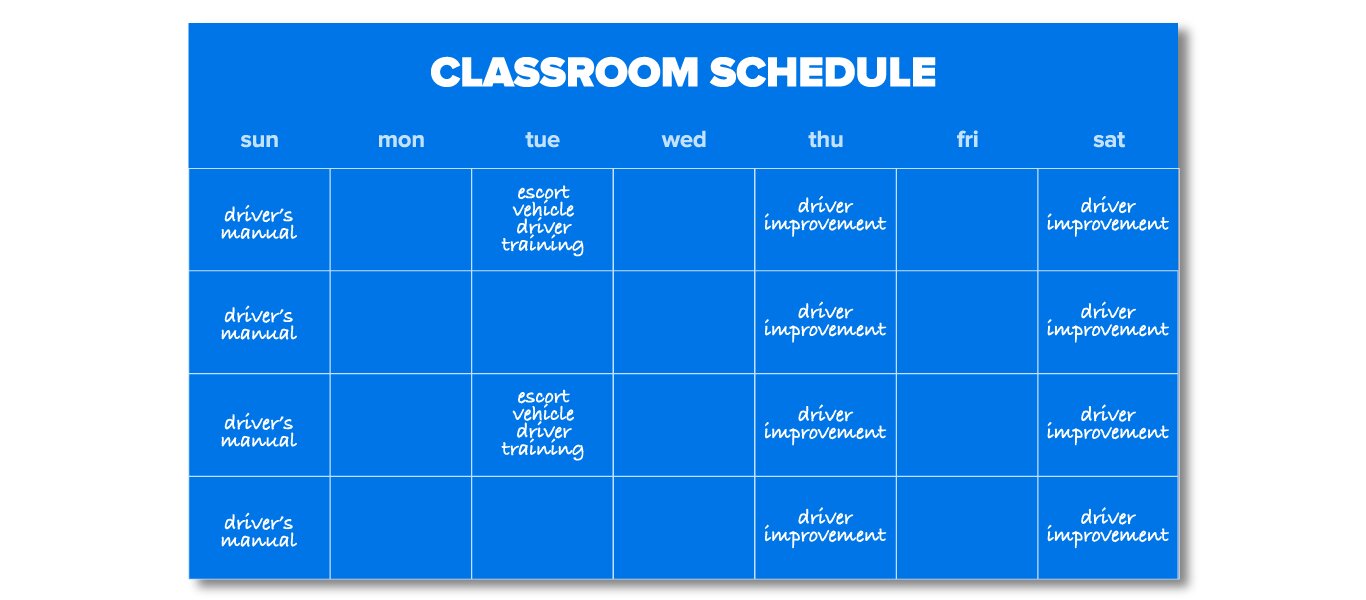
This past spring, our leadership team took student feedback into account and changed the classroom schedule for Virginia driver’s manual and learner’s permit preparation classes.  Originally, these eight-hour classes were held on Sundays.  With the requests in mind, we made the move to scheduling these classes every Saturday, at our Fredericksburg headquarters.

Well, we’ve been receiving a lot of requests from students (and parents) to switch back to Sundays, beginning at 9:00am.  So, we’ve obliged and beginning Sunday, November 11th, we will be moving these courses back to their originally scheduled day.  Students can begin enrolling these two classes on Sundays immediately.  Have a special circumstance or looking for additional scheduling options for these two classes?  No problem!  We routinely hold special sessions for students on other days of the week that cannot attend on the normal scheduled day.  If this is the case, please let us know and we’ll work out a solution for you.

Also, we’re excited for a number of satellite locations to be coming online soon, which will allow us to offer these two classes in different areas outside of Fredericksburg.  We’re anticipating these sites to be up and running in the coming weeks, and we’re hopeful to have classes scheduled at locations in Stafford, Thornburg, Dumfries and more very soon.

From the onset, our team has made it a priority to make learning to drive and the completion of necessary driving classes as easy, affordable and convenient as possible.  We’re constantly seeking feedback as to how to improve, and using this information to help us achieve a greater level of student satisfaction.  So, if there’s something you’d like to see change or improve upon, or have an idea or thought as to how we can better serve the public in the communities in which we too live, please pass it along!

Return to article list

Why We Dislike Navigation Systems

Well everyone’s using them…

Use turn-by-turn navigation while driving?  Millions of American drivers do, often when making short trips or on routes they are familiar with just for the traffic updates or an estimated arrival time.

Remember when the only GPS-aided navigation systems available were the size of a cell phone (or larger in some cases), and would be affixed to your dashboard or windshield?  And periodically have to be updated by plugging in to a computer?  My have the times changed.  While these systems are still available and have many benefits, the need for a dedicated unit such as this is diminishing.

A lot of info at your fingertips

Navigation or “maps” apps are plentiful these days, operating on your phone and constantly updated with new road and destination information.  Advanced tracking features allow drivers to learn about traffic conditions ahead during their trip, helping to plan accordingly.  Plus, many late-model vehicles come equipped with built-in navigation systems, a lot of which get their information from or are directly tied in to the major services you’re used to, such as Waze.

With all the benefits these apps bring, you may be curious as to why we despise them so much. The answer is a simple one actually:  our secrets are out!  As these latest apps track your location (often in the background, even if you’re not using the app), they are constantly updating speed and distance information to show you arrival times and traffic conditions. If an issue is ahead, the app will “re-route” you to help save time.

virginia-teen-driver-safety-navigation-systems
teen-drivers-in-virginia-navigaton-systems-for-safety

These new routes will guide you on to secondary or backroads roads, hopefully helping shave time off your delay.  This is especially helpful for travelers from out-of-town or those not familiar with the roads in the area.

Our issue is that these backroads are the routes we would count on during heavy traffic periods to help teach students how to drive!  Therefore, what our instructors historically would count on as an unknown or less travelled route is now just as bad as the main arteries.

Here’s what we’re talking about:

Here are two examples in the Fredericksburg/Stafford area of what we’re talking about:

  1. Off of southbound Rt 17, heading towards I95, the route leads you from Plantation Drive around the Target shopping center that brings you to the traffic lights at the exit.
  2. Again off of southbound Rt 17, heading towards I95, the way from the GEICO building, near the Rappahanock River and back up to 17 that brings you to the light with the Shell gas station.

For some time, these two ways of beating the traffic delays approaching Interstate 95 were somewhat secret, known mainly only to those really familiar with the area.  Today, not so much. Next time you travel one of these two routes, count how many out-of-state license plates you see.  Our point exactly!

It’s becoming more and more difficult to work with behind the wheel and private lesson students on building their highway or open road skills as we too are victims of the plaguing traffic jams. As a result, we’re having to get creative with scheduling lessons earlier in the day or later in the evening, just so new drivers can get the practice they need at higher speeds.

Don’t get us wrong, we too love navigation aids. Sitting in traffic is great for those taking behind the wheel or private lessons as they are becoming familiar (unfortunately) with the conditions they can expect to drive in.  But we sure do miss the days of the openness on roads less travelled throughout the area.

Return to article list

5 Steps to Being a Courteous Driver

Be courteous and safe

During behind the wheel and private driving lessons, we aim to reinforce with new drivers the importance of being courteous to other motorists, and ultimately how this impacts the safety of you, your passengers and others.  Everyone’s heard of road rage incidents, and most, if not all, could have been prevented if drivers were courteous, or simply nice, to each other while traveling down the road.

In light of this, we teach new drivers to be cognizant of these five points whenever they are behind the wheel:

  1. Pay attention when stopped at traffic lights
  2. Use your turn signals when turning or changing lanes
  3. Don’t tie up the left lane
  4. Never tailgate the car in front of you
  5. Let those trying to merge over

In our experience, doing and following these simple steps can help prevent wrecks, avoid traffic tickets, prevent aggressive driving or road rage situations and make you a courteous driver in general.  Let’s dive into these five points.

Paying attention and the basics

Paying attention at traffic lights:  Anyone who has been driving for a period of time has experienced this. The light turns green, and the car in front of you doesn’t move. The driver is clearly not paying attention, and these days most likely doing something on their phone.  Horns start honking and the car finally starts moving.

Using turn signals:  This one really should be a no-brainer, especially since it’s the law in Virginia!  Anytime you make a turn or change lanes, you have to use your turn signal indicating such.  This gives those behind and around you advance notice of your intentions, and can help them in their decision making.

Courteous-Driver-in-Virginia
Tips for courteous driving in Virginia

Use the proper travel lane

Don’t tie up the left lane:  We observed on one of the overhead message boards on Interstate 95 a few months back a great message. It read, “The left lane is for passing, not cruising.”  We are strong advocates for obeying the posted speed limit (for obvious reasons), but do acknowledge that there are quite a lot of other drivers that don’t.

The purpose of the left travel lane, especially on interstate highways, is for faster moving vehicles.  There are even road signs in Virginia advising slower traffic to keep right.  We stress to new drivers during behind the wheel the importance of being aware of your surroundings at all times. Don’t be the “slow poke” tying up the fast lane!

Don’t provoke others

Don’t tailgate:  Another no-brainer here, as it’s not only unsafe and illegal, but can also provoke a dangerous encounter with another driver.  Maintaining a safe following distance is key to your safety and that of others.

Lastly, allow other cars to merge:  This is a big sticking point with our team and it really drives us nuts when we see it happen, which is far too often.  A driver is trying to merge onto the road you’re traveling, such as in interstate off ramp, and others are speeding up to prevent this car from merging over.  Really?  Will that extra car length really make a big difference in the amount of time it will take you to reach your destination. Nope, don’t think so.  Yet daily we see this occurring, and it’s just flat out rude.

Behind the wheel and private lesson students receive a lot of information on how to drive safely, and these are amongst the most popular tips we provide for being courteous to others.

Return to article list

What Footwear to Wear While Driving

Constant reminders

Behind the wheel and other in-car lesson students are reminded regularly about the importance of wearing the appropriate footwear whenever they are driving.

While there are no laws governing this in Virginia, it’s highly recommended that drivers:

  • Do not drive in sandals or flip flops;
  • Avoid wearing long heeled shoes;
  • Not go shoeless or barefoot.

An often overlooked safety concern

An often overlooked matter of safe driving, what you have on your feet can make a big difference.  Here are a few takeaways to consider.

Sandals and flip flops can slip off of one’s feet while driving, and become lodged under a pedal or otherwise interfere with pedal operation.  This is an extremely dangerous situation, and can happen at any time. Imagine what would happen if your sandal slipped off and got stuck under your brake pedal.  How would you slow or stop?

A somewhat similar situation can arise when driving barefoot.  Pedals may be slippery, and your foot could easily slip off the pedal at the wrong time, causing a potentially hazardous condition.

High heeled shoes pose their own hazards for drivers as well. The heel of your shoe may get snagged on your floor mat, restricting your ability to move your foot. Not a good situation when you need to quickly take your foot off the gas and apply the brakes.

We want to see everyone be safe while traveling Virginia roads. After all, we drive the same routes daily.  Our team makes it a point during behind the wheel and other lessons to remind students of the impacts something as seemingly minor as their shoes can have on their ability to drive safely.

safe-driving-tips-virginia-what-shoes-to-wear

Return to article list

Parent/teen observation program – Ideal for busy parents

Get properly prepared

Is your teenager preparing for their driver’s license? Do you, as a parent, feel concerned about the amount of driving practice they’re receiving with you and whether or not they are learning safe driving skills? If yours is a busy schedule that prevents you from being there to observe your teenager, then our in-car parent/teen observation program is perfect for you to lessen your concerns.

The 45-hour parent/teen driving log is provided once driver’s ed is completed to help parents and guardians log the amount of time they spend driving with their teenage son or daughter while they have their learner’s permit.  Completing and logging such a large number of hours for many parents (and teens for that matter) in today’s world is quite difficult.  Luckily, we’re here to help.

Help keep teens safe

There are countless cases of new teen drivers driving carelessly, which in turn, becomes one of the biggest concerns for parents. Be it following a specific speed limit or applying brakes at the proper time, the amount of skills that are needed to be learned by new drivers are many.

One of the best ways to ensure teen safety and to instill good driving skills, our in-car parent/teen observation program provides teenage drivers with top-notch guidance, all while completing the 45-hour driving observation form. These private driving lessons by experienced and knowledgeable instructors gives your new teen driver the tips and information needed, which will be crucial as they continue their path towards earning their driver’s license.

45-hour-driving-observation-log-virginia-parents-tips

All in all, you can rest assured that our parent/teen observation program is the ideal way for parents as well as teenagers to attain peace of mind that a licensed, certified instructor is there to address any questions or concerns and provide the best possible guidance related to driving.  Plus, our team will help your teenager complete this step in the journey towards earning their Virginia driver’s license.

map-of-parent-teen-observation

So, now that you are aware of the benefits of the in-car parent/teen observation program, don’t waste any more time. Let 2020 Driving School provide professional help and take care of your teen’s needed 45-hours of practice.  Learn more about the program here.

Return to article list

Parents: 3 Things You Should Ask Before Your Teenager Drives Away

Understandably concerned

During a recent conversation with parents of a new teenage driver, the subject of concerns about what their son would be doing now that they have their driver’s license came up.  The mom had worries, and rightly so, what their 17-year old would be doing after school while she and her husband were at work.

As teenage drivers ourselves at one point, we had immediate flashbacks to those high school days of joy riding around Stafford and Fredericksburg, jamming to loud music with our friends, never seeming to end up actually anywhere.  Looking back, what a waste of time, gas and money!

Will today’s tech help?

We talked for a few moments of how technology has changed, with GPS tracking and newer tools available, such as the plug-in devices available from insurance companies and cell phone carriers for a car’s on-board diagnostics (OBD) port.  Tech has definitely provided more options than we experienced as teens to help keep tabs on location, speed, amount of time and miles driven, etc.

There is, for sure, a valid concern as to whether one is merely aware of what their teenager is doing versus being overbearing.  Our position is that when it comes to the overall safety of your son or daughter, their friends and other motorists on the road, one can never have too much insight on to what is actually taking place.

tips-for-parents-of-new-teenage-driver-in-virginia

Giving general parenting advice is not one of our specialties so to speak, however, when it comes to teenagers and receiving their driver’s license, we do have a bit of experience.  Our best advice to these, and all parents of new drivers for that matter, is to ask three simple questions every time their son or daughter is about to drive:

1. Where are you going?

Simply ask the question, “Where are you going?”  This will help paint a picture of what the teen’s intentions are, and help answer the other two questions.  Will they be traveling far?  Should you be concerned about how much gas the car has or will be used?  Do you impose a curfew that your son or daughter must adhere to?  Asking where they are going certainly checks a few boxes off the list.

Virginia-new-teen-driver-parent-tips

2. Who will be with you?

Secondly, find out who will be with them in the car.  This too gives you needed details, and as a teen driver in Virginia, you are limited to the number of passengers you can have with you at a time.

3. When will you be back?

Lastly, and this goes back to the curfew point, ask what time they will be back.  No parent wants to see their child’s grades slip, or athletic activities missed, because the majority of time is spent driving around town.  A simple reminder is to tell them the roads have been around for decades, and will be there for decades more, so you’re not going to miss much if you’re back by whatever time.

Receiving your driver’s license is a significant milestone in a teenager’s life, and maintaining self-control and doing what’s right is a critical part of driver’s ed that’s reinforced during behind the wheel lessons.  As we explained to the worried parents, the tools are available to help keep a grip on behavior, and by asking these three simple questions before a teen drives away can go a long way towards putting one at ease.

Return to article list

The Best Bumper Sticker We’ve Seen In a While

It’s what we preach

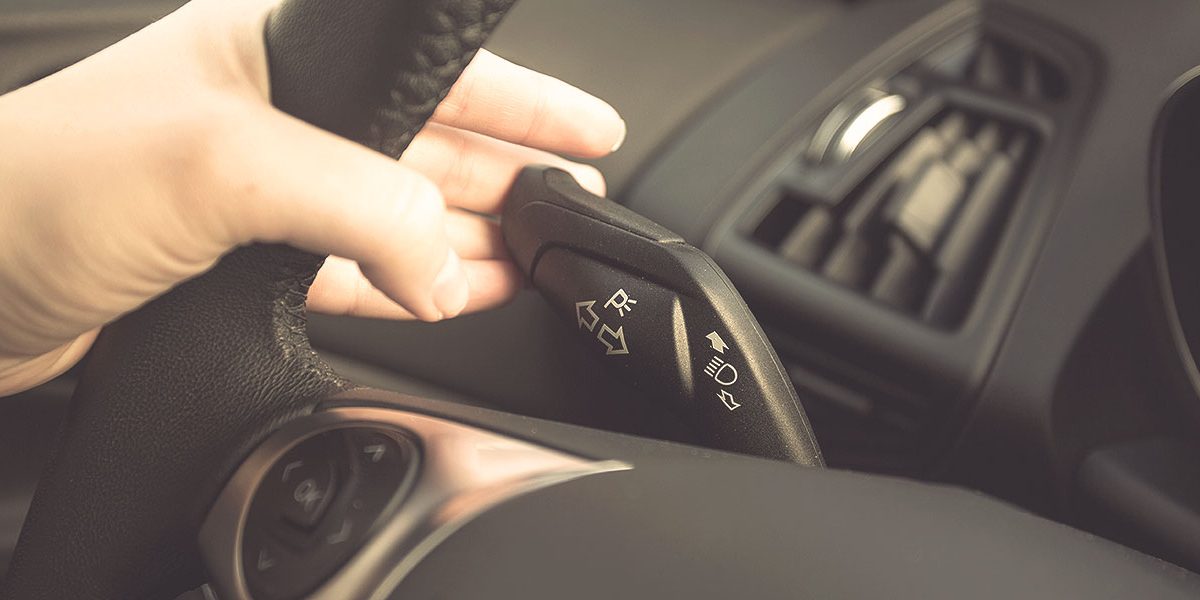
That blinky thing you see is a turn signal.  Yes, that’s what was printed on the sticker.  Catchy, for sure!  Our primary goal is to teach safe driving skills to our students, to help make them safer, smarter drivers.

One of the first things taught to new drivers, beginning in the Driver’s Education course, is the importance of using turn signals, whenever turning or changing lanes. In Virginia, turn signal use is also mandated by law, and failing to use them can result in a ticket.  The state also lists turn signal functionality, along with the bulb condition, part of the annual safety inspection.

Does it really matter?

The purpose of turn signals (whether amber in color or red), is to alert other drivers of your intention to turn.  Combined with brake lights as you slow, other motorists take, hopefully, these visual cues and begin to slow or change lanes. However, when you dive into the crash data, more than 1.7 million rear-end collisions occur each year in the U.S.  With the ever increasing amount of distractions today’s drivers face, these numbers will only continue to increase.  Maintaining a safe following distance and looking for signs of the car in front’s intention to change lanes is one of the very first lessons taught in our behind the wheel and private lesson sessions.

safe-driving-use-turn-signal-turn

Using signals every time you intend to turn should be a habit all drivers have. Unfortunately, this isn’t the case. We often find that our behind the wheel students miss this step several times during practice, and failing to signal a lane change or turn is often an area for point deduction during their final road test before they earn their driver’s license.

On top of that, one of our recent attendees in a driver improvement class was ordered to attend because they were summonsed for failing to signal their turn, while evading a traffic control device (yes, that’s an actual charge!).  Apparently while they were cutting through a gas station parking lot to avoid a red light, they never used their turn signals.  Talk about piling it on.

Can tech help?

The good news, however, is that automakers are taking steps with vehicle technology to help mitigate the risks of rear-end collisions, with audible and visual warnings to the driver of close proximity to another car or pedestrian.

Additionally, many manufacturers now offer lane departure warning features as an option. These systems help alert drivers if their vehicle begins deviating from its given lane when a turn signal (or that blinky thing) isn’t in use.

Then there’s the feature we’ve seen in several makes where the dashboard display alerts you if your turn signal has been on for an extended period while the car is in motion. We have to admit, this is awesome!  Doesn’t everyone love driving down the road for several miles behind a car with its turn signal flashing?  Perhaps they forgot it was on, it didn’t notice the arrow blinking on their dash or that clicking sound going off.  Makes you wonder how alert they are or if other distractions are present.

As time goes on and more and more vehicle safety improvements are introduced, it’ll be exciting to see if crash numbers decline. Many of these enhanced safety features, however, aren’t yet standard equipment, and instead are offered as add-ons or part of additional option packages.

Despite the tech improvements, however, it starts with the driver.  If one fails to signal a turn or lane change, they’re potentially putting themselves and others at an unnecessary risk. Keep that in mind next time you fail to use your signal, or good luck explaining your reasons why you didn’t flip the lever to that police officer on the side of the road.

Return to article list

The Virginia DMV is committed to promoting transportation safety through the certification of quality driver training programs. If you have comments or concerns about this driving school, call the DMV toll-free number: (877) 885-5790

Call Us
+1 540 841 6327
Enroll Now