Keeping Your Ride in Top Shape

Preventive maintenance

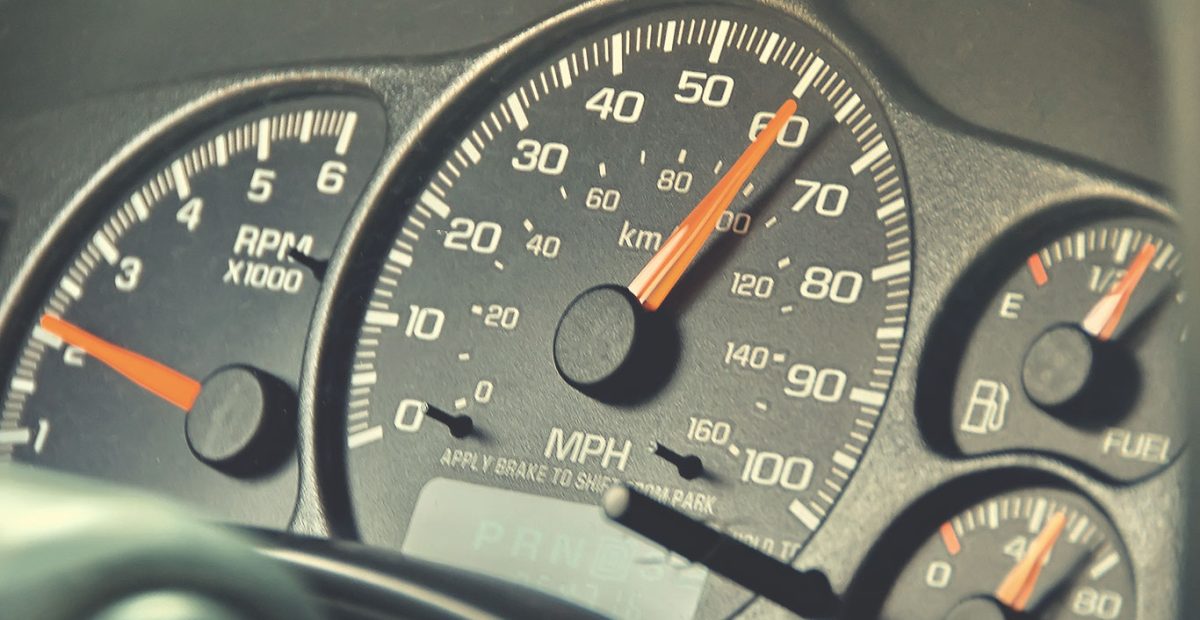
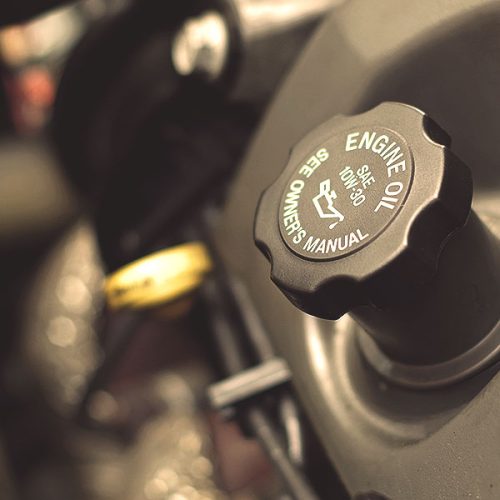
During our New Driver Vehicle Orientation class, as well as Driver’s Ed, the importance of vehicle maintenance is reviewed in detail. Keeping your ride in tip top shape is not only key to its health, preventing expensive repairs and embarrassing breakdowns, but also for safety of you and others.

Faulty brakes, steering and suspension components, tire blow outs and burned out lights all combine in causing crashes on today’s roads.  Even a cracked windshield can have a negative impact.

There’s no argument that today’s cars and trucks are safer than ever before, but one must keep in mind that in the end it’s a machine, and machines tend to break.  The saying goes that prevention is cheaper than repair, and we’re here to tell you it’s true.  At 2020 Driving School, we have more than a dozen cars in our fleet. Keeping this many on the road and in good condition is time consuming and expensive. But along the way, we’ve learned that if the basics are kept up with, the likelihood of problems is minimal.  So yes, we’ve verified that the adage about prevention is true!

Oil changes, tire rotations, replacing lights and wipers, all may seem like costly distractions, but for drivers, especially those that are new, they must be kept up with.  Here in Virginia, with the annual safety inspection, in some cases you don’t really have a choice when it comes to spending money on your car (plus, who wants to drive around with that embarrassing pink sticker on their windshield when they fail?).

It’s more than must “gas and go”

When working with new drivers, we like to remind them of the costs of owning and/or operating a vehicle.  Gas and insurance are common answers when we ask students what they think will be an expense for them when they receive their driver’s license.  Both of these are correct, and we remind them of the maintenance aspect, too.  In most cases, basic car maintenance isn’t free, even when your car has a warranty.

Properly budgeting out these costs and staying up-to-date with needed service should always be remembered.  We tip our hat to the parents of teenagers that make their son or daughter bear these costs, as it’s a great life lesson on money and organizational skills.
virginia-teen-driver-preventive-maintenance

Get a good start

We encourage all new drivers, regardless of age, to attend our vehicle orientation class, which dives deeper into understanding modern cars and their maintenance needs. You can learn more about this course here.


Return to article list

Concerns of New Drivers

What are your fears or anxieties?

The vast majority of students we work with for in-car instruction, whether it be with Behind the Wheel or Private Lessons, fear most interstate highway driving. This continues to amaze us from a numbers standpoint since the overwhelming majority of vehicle crashes in Virginia occur on non-interstate roads. In fact, last year, more than 80% of crashes occurred off of Virginia’s interstate routes.

When we ask why, the answers typically revolve around the rate of speed, other motorist’s behaviors and larger vehicles (tractor-trailers). Armed with this information, we provide tips, insights and experience to these new drivers on how to mitigate risks, stay alert, maintain safe following distances, the importance of using turn signals and much more to help build their confidence.  Timing here is key, as most know our region is prone to horrendous traffic jams and delays. Finding that window where one can travel at the posted speed limit for an extended period of time is a challenge we face daily, but is a crucial part that must be done.  This is why for parents of new drivers, practicing driving on I-95 with your teen while they hold their Learner’s Permit undoubtedly has a major impact on improving their overall driving skills.

Diving into the concerns of new drivers, we explain that there’s really not a lot one can do to control another’s actions and behaviors. We’ve all seen it (and hopefully haven’t done so ourselves!) where one tailgates another, abruptly changes lanes, slams the brakes for no apparent reason, changes lanes without signaling and on and on the list goes.  Our advice is to stick to the basics, such as keeping a safe following distance, avoid distracting behaviors, such as texting, eating or drinking, being aware of your surroundings and maintaining a safe speed in line with the posted limit.

Why experience matters

While many of our Behind the Wheel students have some experience driving in I-95, we’ve found this to be far less than their experience traveling on neighborhood streets or connecting routes.  This comparatively shorter amount of time driving no doubt plays a major role in their fear factor.

For most of our Private Lesson students, however, most have never travelled on an interstate highway and therefore have no experience at all, which drives the anxiety and fear levels up tremendously. We observe this constantly as we watch the new driver repeatedly wiping their sweaty palms on their pants as they merge or travel.

new-driver-concerns-small

Get a good start

Are you a current Learner’s Permit holder preparing for Behind the Wheel, or parent of one?  Our Private Lessons may be of great value to you in building experience and confidence when it comes to driving in different conditions, on different roadways. Let’s face it. These days everyone is tight on time, with busy schedules and places to be. Leave it to the experts to help with this training, which will pay off big time in the long run.

In the end, we do everything we can to help new drivers of all ages overcome their fears and anxiousness, helping to prepare them for the road ahead.

Return to article list

Driving to School This Year?

No More Asking for Rides!

If you’ve recently completed Behind the Wheel and have earned your license, congrats!  We know what you’re thinking, we’ve all been there before. No longer will you be stuck riding the bus or hitching rides with friends or family. Now you have a sense of freedom, more time (which, we can tell you, isn’t necessarily the case), and a social status that you haven’t had before since you’re now a driver.

But as school starts and the pressures of teenage years return to full swing, understanding the responsibilities you have when driving not only to yourself, your passengers and others is crucial.

One must always remember and keep top of mind the lessons learned during Driver’s Ed and Behind the Wheel, which can easily go by the wayside as you hit the road.  When doing follow-ups with our past students, we always like to remind them not to fall into the peer pressure trap, to never take things for granted and that the statistics aren’t exactly in their favor.

There Will be Ups and Downs

Being a teenager today, as it has throughout previous generations, is full of ups and downs, struggles, excitement, good times and bad. Alcohol and driving was the scourge of new teen drivers in the past. These days, being distracted while in the driver’s seat is plaguing many motorists, not just those that are your peers.  Social media and music apps, email and text messaging and built-in electronics in today’s cars pose a whole new set of challenges for teens.

It cannot be stressed enough that you, as a driver, have the tremendous responsibility of safety. You’re operating a several thousand pound object, traveling at speeds effected by the laws of physics, constantly making decisions.  Being on the lookout and staying alert are amongst your top priorities, especially if you will be driving to school for the first time this year.  As was taught in Driver’s Ed and Behind the Wheel, pay extra attention in parking lots as pedestrians can literally come out of nowhere, other vehicles are turning and reversing, and other drivers may be distracted.  Remember, more than 20% of all crashes that occur in the U.S. happen in parking lots.

Stay in Control

Wanting to show off?  It’s understandable, most new drivers do when pulling into school. But keep in mind while you’re whipping through the lot that you are in a school zone, where speed limits are generally reduced.  Our law enforcement friends tell us constantly of teen drivers ticketed for speed-related offenses nearby or on actual school grounds.  In Virginia and under 21, this is a quick way to end up in a Driver Improvement Class.

Controlling emotions (and your car for that matter) will no doubt be difficult for you.  Being a safer, smarter driver starts with doing what is right, 100% of the time.  Steering clear of the wrong decisions may not be the cool thing to do, but why risk it?  Ultimately, you’re responsible for your actions whenever you’re driving, and others are counting on you.

So once again, congratulations on earning your Virginia driver’s license, and good luck with the new school year!  Just please, please keep in mind the responsibilities you have as a driver and avoid the behaviors that could possibly put you and others at risk.

FriendsDrivingToSchool

Return to article list

Learn to Drive Away From Your Worries

Virginia Driver’s Education Course taught by the best

2020 Driving School offers driving classes all year long!

Growing up naturally teaches us many things, but earning the right to drive is not something that can happen without hard work and dedication.  On top of that, having the proper driving education, road sense and awareness of safety guidelines and current traffic laws is key.  Our team of experts work closely with each student to ensure they grasp not only what is required to successfully complete this course, but to ensure they understand the information provided and can utilize this knowledge on the road.

As a reminder, in Virginia, a 36-period Driver’s Education Course is mandatory for new drivers seeking to earn their driver’s license.  This program’s information, rules and guidelines, established by the Virginia Department of Motor Vehicles, helps set the framework for making and keeping the roads in our communities safe for you, your friends and your family.

These guidelines, plus strict laws and regulations, help keep these roads safe.  2020 Driving School teaches and reinforces the necessary skills, fine-tunes driving knowledge and sets students on a pathway towards building expertise.

Start driving without the long waits…and hassles.

Get started with our Driver’s Education class today and quickly get on your way towards your goal of earning your driver’s license, while learning the essentials.  At 2020 Driving School, we offer year-long driving classes to make the process as convenient and easy as possible.  No long waiting periods, no struggles, no hassles.

Students learn the most relevant, up-to-date information regarding road safety, teen driving tips, pedestrian and bicyclist safety, the effects of alcohol and drugs on drivers, plus much more.  And the beauty is, unlike the Driver’s Education courses offered in many high schools, our classes run all year long!  In addition, our online course takes convenience and ease to a whole new level.

2020 Driving School is a Virginia DMV-approved provider of both classroom and online Driver’s Education instruction.  Let us help you learn the needed skills while having fun doing one of the most menial tasks on Earth — driving!

Questions regarding Virginia Driver’s Education Classes?

We’re here to help!  Visit our FAQ page for additional information.  Need more info and answers? No problem.  Give us a call at 540-841-6327 or visit our contact page.  We’d love to hear from you and get you the facts you need.

Return to article list

Driver Improvement Classes: Not Just a Bad Thing

During the introduction phase of a recent driver improvement class, a middle-aged student provided an answer as to why he was attending that caught many of the others in the room off guard.  His response, “I’m here not because I received a ticket, but I’m here to get the positive points to possibly help with my insurance, it’s been a long time since I had any formal driving instruction and I thought it was a good time for a refresher.”  The puzzled look on the other student’s faces was classic.  After a brief period of silence, another student couldn’t hold it in any longer.  “If you don’t have to be here, why then would you want to come and take the class?” he asked.  The older gentlemen repeated what he had just said, and the instructor went on to explain that the class is open to anyone who wishes to attend.

2020 Driving School offers driver improvement classes twice a week, every week, with more locations and classes coming soon.  Surprisingly to some, not all that attend have been mandated to do so by a court or the DMV.  In fact, a lot of our attendees come for the positive points, or for a skills and knowledge refresher to stay up-to-date.  And we’re glad when they do.  It gives them an opportunity to learn about rule changes, to gain knowledge about potential hazards and to hear new examples.  As with the gentlemen in the example above, it had been quite some time since they had received any formal driving instruction, and they felt it was a good idea to catch up and learn something they may have forgotten over the years.

One of our driver improvement class instructors, William, is a retired policeman, with 30-plus years of law enforcement experience.  Who better to gain knowledge and insights about the hazards on today’s roads from than someone like him?

There’s a negative connotation associated with driver improvement classes, and rightfully so.  The majority of attendees are there because they received a ticket of some kind, and were told that they must take the class.  However, don’t let this hold you back from attending.  Everyone can benefit from refreshers every now and then, and although you may have to give up eight hours of your busy life, the pros certainly outweigh the cons.

Learn more about our driver improvement classes here.  2020 Driving School also offers online driver improvement classes.

Return to article list

Understanding Virginia’s Graduated Licensing Program

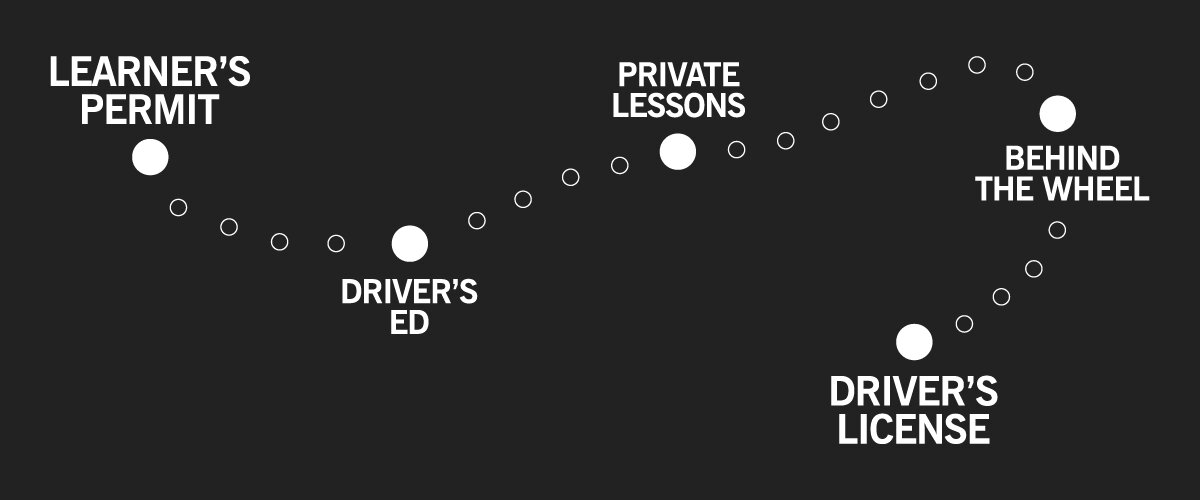
Virginia follows what is known as a graduated driver’s licensing program, in which teen drivers under 18 first earn a learner’s permit, then after a 9-month waiting period, become eligible for earning their license.  We receive a lot of inquiries as to how this process works and what steps parents and teens need to take in order to receive their driver’s license.

The first step is with the learner’s permit.  Teens are to read and understand the manual, then go to their closest DMV customer service center and take the learner’s permit test.

Frequently, we’re asked what we can do to help new teenage drivers with this, and this is precisely why we offer a Learner’s Permit Prep course.  Key information from the driving manual is shared, along with examples and other excerpts for training material, to help teen drivers with the basics.  Students that attend this Learner’s Permit Prep Course are prepared for their learner’s permit test and the questions it asks

Navigating city traffic with 2020 Driving School instructors

Once a teen has received their learner’s permit, there is a 9-month waiting period before they can earn their license.  During this time, they can complete a 36-period Driver’s Education course and begin Behind the Wheel instruction.  Teenagers in Virginia do not have to wait for the 9-month period to end before taking either of these courses.

Additionally, as long as it is with the same school, a teen can complete driver’s ed simultaneously while they are taking behind the wheel.  To break that down even more, if your son or daughter is enrolled in either our classroom driver’s ed course or our online driver’s ed course, they can take behind the wheel with us at the same time.  You cannot, however, take behind the wheel while taking driver’s ed at two different schools.

Often, we find, teen drivers that have their learner’s permit are not prepared for behind the wheel instruction and need more work.  Parents are encouraged to provide one-on-one training with their son or daughter, and complete a log of 45-hours of driving before behind the wheel starts.  This rarely happens in today’s hustle and bustle (45-hours is a lot!).

Many parents opt to enroll their teen in our private lessons, where one of our instructors works with them to help further their knowledge and skills before they take the leap into behind the wheel.  Some parents opt for only a few hours, and some opt for nearly 45-hours, to ensure they receive the most comprehensive help possible.

Mastering road awareness with 2020 Driving School training

Once driver’s ed and behind the wheel is complete, a teen in Virginia is eligible to receive their driver’s license.  If they have already passed the 9-month waiting period, they can be issued their temporary license by their behind the wheel instructor once they’ve successfully passed the road test.  If the 9-month period hasn’t passed, the temporary license is held at our headquarters until the time comes due, at which point it is issued.

Ultimately, however, it is up to the parent or guardian to decide whether or not their teen will receive their driver’s license.  Yup, we’ve had several instances where a parent has held onto the license and told their child that they will give it to them when they feel they are ready and mature enough.  We loved it.

At 2020 Driving School, we’re committed to helping new teen drivers develop the skills and knowledge needed to safely navigate today’s roads.  You can view our full range of driving lessons here.

Return to article list

Car Infotainment Systems…A Blessing or a Curse?

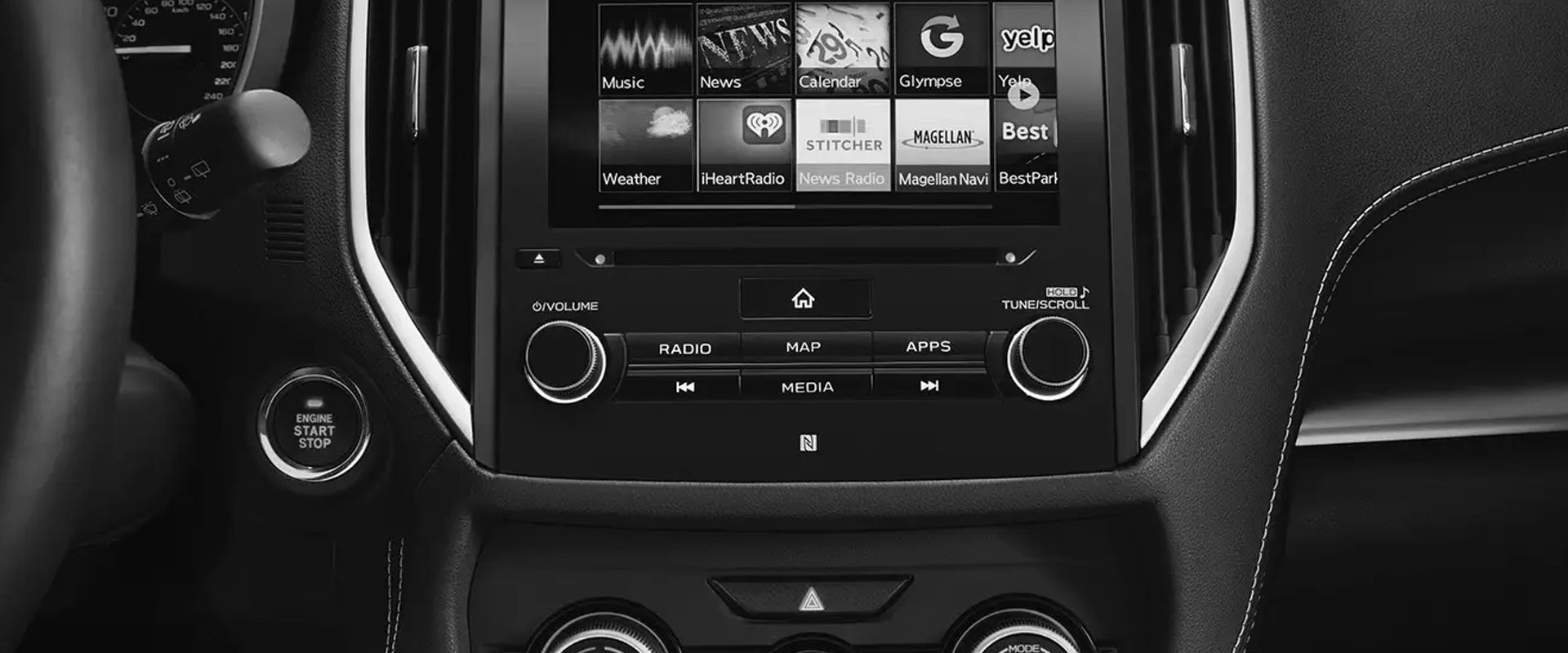
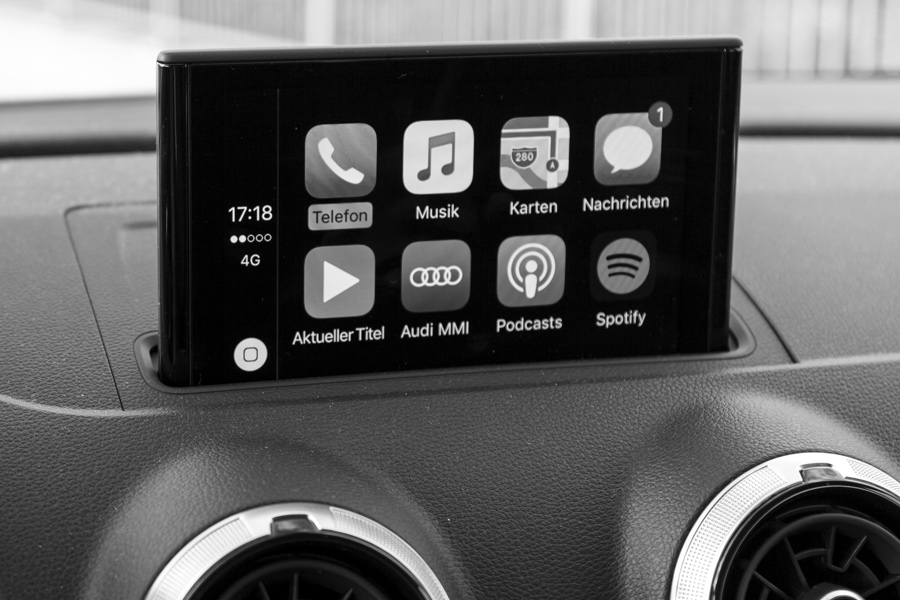
Over the past decade, the technological advances in modern automobiles has been astounding.  Cars today are equipped with Bluetooth connectivity, telematics, built-in touch screen displays, navigation, wireless hotspots, collision avoidance, backup cameras, backup sensors, blind spot indicators, active cruise control and the list goes on and on.  But do all of these gadgets, gizmos, features and capabilities translate to safer driving?  Perhaps yes, perhaps no.

More and more studies have shown that telematics and integrations in cars have actually made them unsafe, easily creating distractions and false senses of safety and security.  Talking on a cell phone either with the device up to your ear or through an integrated Bluetooth system may be equally distracting.  Talking through your Bluetooth integration to send a text message rather than manually typing it may be equally distracting.  Listening to step-by-step navigation through your car’s speakers as opposed to your phone or portable GPS unit may be equally distracting.  Time and additional research will show.  For now, however, lets look at what we know today.

Recently, during a behind the wheel session, a student was having difficulty remembering to check their surroundings and mirrors constantly as they were backing up in reverse.

When corrected by their instructor, they responded, “Sorry, I’m not used to looking in the mirror because my mom’s car has a camera that I can look at on the dash.”

Yes.  This may be the case.  However, that camera has a narrow field of view, and what that camera doesn’t show you is the 5,000 pound truck that is approaching.  Nor does it show you the family walking only a few steps away with small children.  So yes, the backup camera does help, but it doesn’t replace the basics of looking around and being aware of your surroundings when placing the car in reverse.

dash infotainment small

In another example, a teen student was in the driver’s seat for his first driving period of behind the wheel.  When he went to make a lane change, he didn’t look over his shoulder as he moved to the left.  The instructor immediately commented.  The teenager’s response: “Oh, I’m used to the little yellow triangle showing up in the mirror if there is a car in the blind spot.”

Again and again, we see examples and have to make corrections for what would be considered normal practices not being performed because a student is counting on technology to help them perform a task.

We try to instill in our students during private lessons and behind the wheel the fact that today’s technology is merely an additional tool, which is to be combined with other basic skills, to help them driver safer and smarter.  These gadgets are not, and should not, be considered as a replacement for looking, using common sense and making judgements and decisions based on conditions oneself.

We fear we are facing an uphill battle, however.  As driver assistance technology increases and advances and the reliance upon it continues, bare bones, basic skills such as looking twice before changing lanes or fully checking your surroundings before backing out of a parking spot will be viewed as outdated and monotonous.  We won’t give up, however, as too much is riding on making sure the proper skills are taught and understood.

Return to article list

Driving: Is Your Teen Ready?

We ask a simple question every time a parent is asking to sign their teenage son or daughter up for behind the wheel:  “On a scale of one to five, how would you rate their ability to drive?”  Often, the answer is two or three.  Rarely does someone answer five, and more often than not, the answer is one.

This question is posed for a number of reasons.  First, we want to hear from the parents how they feel their son or daughter is doing and what their capabilities are.  Secondly, we ask as a gauge to let our instructors know beforehand what they can expect so that they can prepare.  Lastly, we ask because we want to stir up thoughts about a teen’s true driving abilities.   The statistics are sobering.  Automotive crashes remain a top cause of death for teens, distracted driving is on the rise, the hustle and bustle of daily life is increasing.

Too many factors are now in play that can have a negative impact on a teenager’s ability to properly learn the rules of the road, such as safe, defensive driving techniques and the ability to not be influenced by peer pressure to take unnecessary risks.

There’s a tremendous difference between a car a professional is driving during a Sunday afternoon race, and a car that was purpose built as a commuter vehicle to get you up and down the interstate, back and forth to work.

The proliferation of technology, such as small, high definition video cameras found on smart phones and from brands such as GoPro, and the ability to quickly post videos on the internet, has turned far too many drivers into daredevils.  The internet (YouTube, especially) is full of videos of dangerous, and often illegal, driving activity by drivers young and old.

Unfortunately, many young drivers don’t make the connection that the driving they may see on TV during a NASCAR race is being performed by professionals, with years of training and experience, in highly-complex machines built specifically for the track they are on.  There’s a tremendous difference between a car a professional is driving during a Sunday afternoon race, and a car that was purpose built as a commuter vehicle to get you up and down the interstate, back and forth to work.

So we ask this question during the initial enrollment to not only get a gauge, but to also help parents honestly consider their child’s physical driving skills, as well as their mental maturity behind the wheel.  We prefer to get an honest answer.  If the parent believes the skills are low, we want to know.  If they feel they are good, we want to know that too.  If they believe there are areas for improvement, we want to know about them.

Sometimes, private driving lessons with one of our professional instructors may be a better step as opposed to immediately starting behind the wheel.  This gives us the opportunity to spend more time talking to your son or daughter, getting their input and feedback, hearing their concerns and working with them to develop their skills.

We fully understand teens are eager and excited to start driving.  They’ve waited for sixteen years to do so, but, if it means improving their safety (and that of others), a few more weeks or months won’t hurt.

Visit our Private Lessons page or contact us directly for more information and to learn more about what we can do to help your teenage son or daughter prepare for the road ahead.

Return to article list

Winter Driving Safety-Proper Vehicle Maintenance

As the weather turns colder and winter sets in, the importance of proper vehicle maintenance for your safety and that of others is often overlooked.  Car manufacturers provide recommendations for preventive maintenance on certain schedules that should be followed, based on your driving habits and conditions.

Most automotive repair facilities and dealership service departments share these recommendations with you during your routine, normal service or check up.  Unfortunately for many, this is viewed as an upsell (which in part it is), and don’t fully grasp the importance of what is known as preventive maintenance services.  Heck, in America, we even have a saying:  If it isn’t broken, don’t fix it!  Well, this may have some validity, but when you’re talking about a complex machine with thousands of different parts that you and others travel in, sometimes it’s better to not let it break before you worry with it.

There are countless tools available online to help prepare your car for the winter season, and we won’t bore with all the details.  Here are a few important, specific items that every driver, regardless of age or experience, should be aware of and familiar with before they hit the road.

Fluids

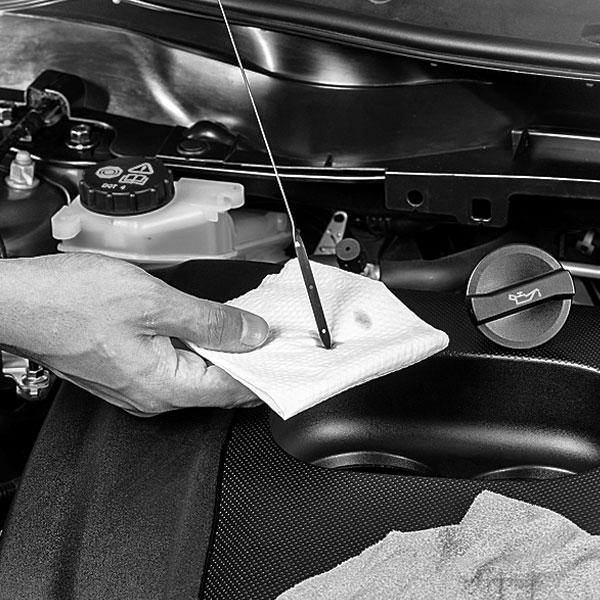
Have you checked your car’s vital fluids lately?  Are they topped off?  Oil, transmission fluid, antifreeze, window washer fluid and power steering fluid are the lifeblood of your car.

Keeping these vital fluids full and having checked and serviced as recommend by your manufacturer goes a long way with regards to your vehicle’s overall health.  Plus, with newer cars, having these fluids checked and serviced routinely or as prescribed are critical in maintaining your warranty.

Maintenance Fluids 1
Maintenance Tires 1

Tires

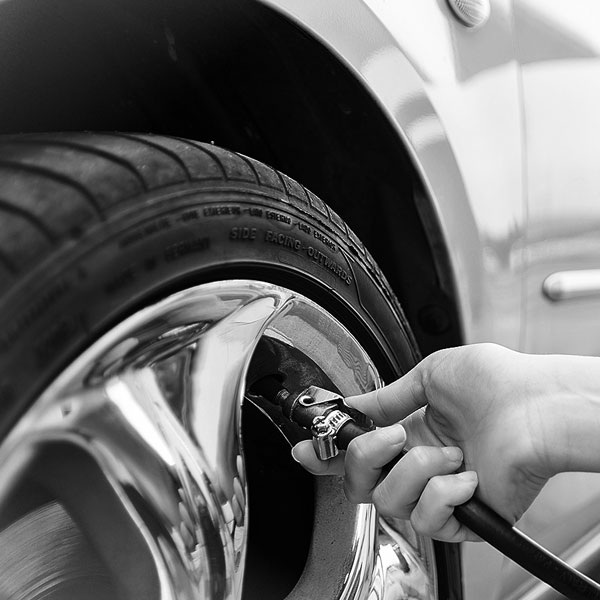
Where the rubber hits the road.  Proper tire inflation impacts your car’s safety, handling, fuel efficiency and overall maintenance costs.

When was the last time you checked your tire pressure?  Most vehicles these days are equipped with sensors that monitor your tire’s air pressure, and alert you when there is a drop below a certain threshold.

Rotating and balancing as recommended by your car or tire manufacturer helps minimize unnecessary wear and tear, provides a smoother ride and impacts your car’s handling.  This is typically a low-priced, convenient service offered by automotive shops that can help extend the life of your tires and save you a lot of money over time.

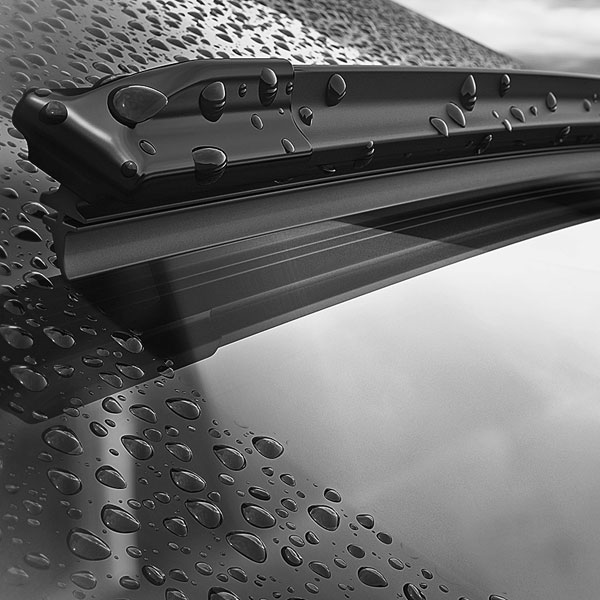
Wiper Blades

How did your wiper blades perform the last time it rained?  Did it swipe the water from your windshield, allowing you to see clearly?  Or did they leave streaks and smudges making visibility difficult?

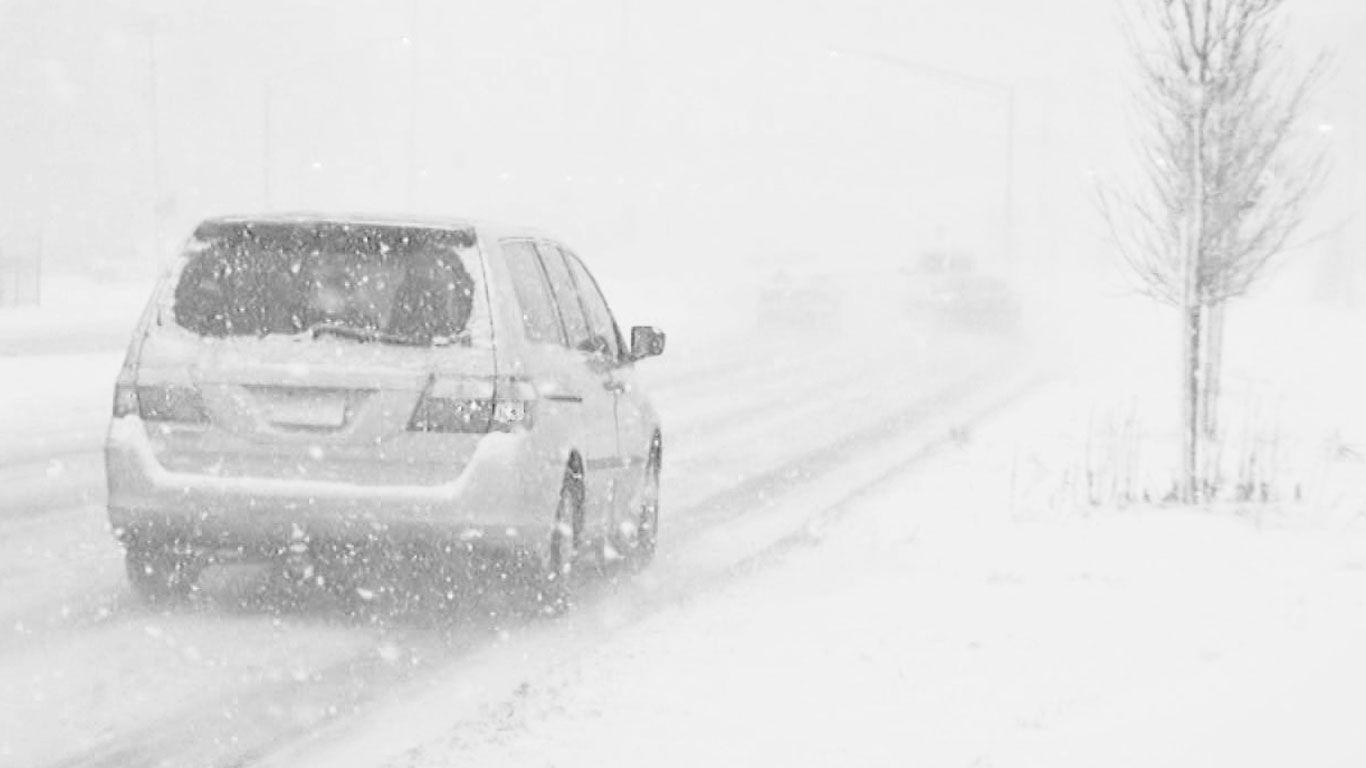
With ice and snow coming soon, having a good set of wiper blades will improve your ability to see the road (and other motorists and pedestrians) easier, helping keep everyone safe.

Maintenance Wipers 1
Maintenance Battery 1

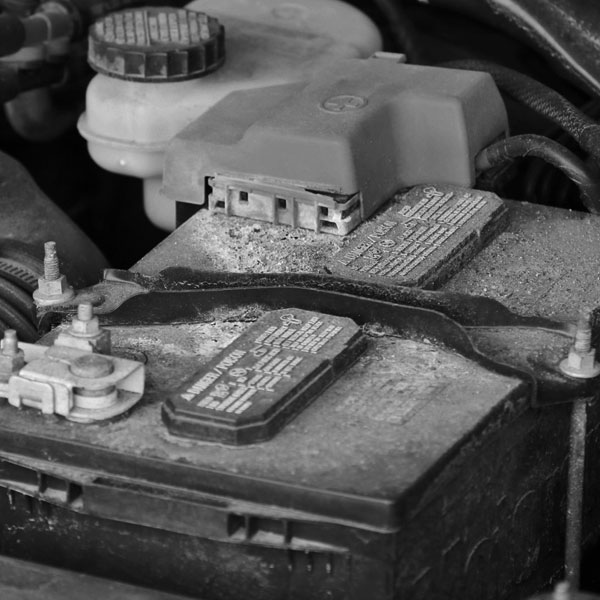
Battery

The experts say the heat of summer drains the battery, and the cold of winter brings its life to an end.  Therefore, it’s a good idea to have your battery (and electrical system as a whole) checked before winter fully sets in.

Most auto shops perform battery and electrical system checks at a low cost or for free.  Don’t get stranded on a cold, wet winter day with a dead battery.  Get it checked!

New drivers get a crash course in these areas during Driver’s Ed, and a bit more info when attending our New Driver Vehicle Orientation class.  Every driver, however, is encouraged to check their car’s status and be proactive to keep it running right.  As mentioned, most auto shops and dealership service departments perform these checks for free, or for a very low cost, so don’t put it off!

Return to article list

Holiday Shopping? Let’s Stay Safe

The 2017 holiday season is upon us, and the time for gift shopping has arrived.  Despite an ever increasing number of Americans doing their holiday shopping online, the bulk of shopping remains with brick and mortar physical stores.  With the hustle and bustle of trying to check everything for everyone off your shopping list, let us not forget a few key pointers.

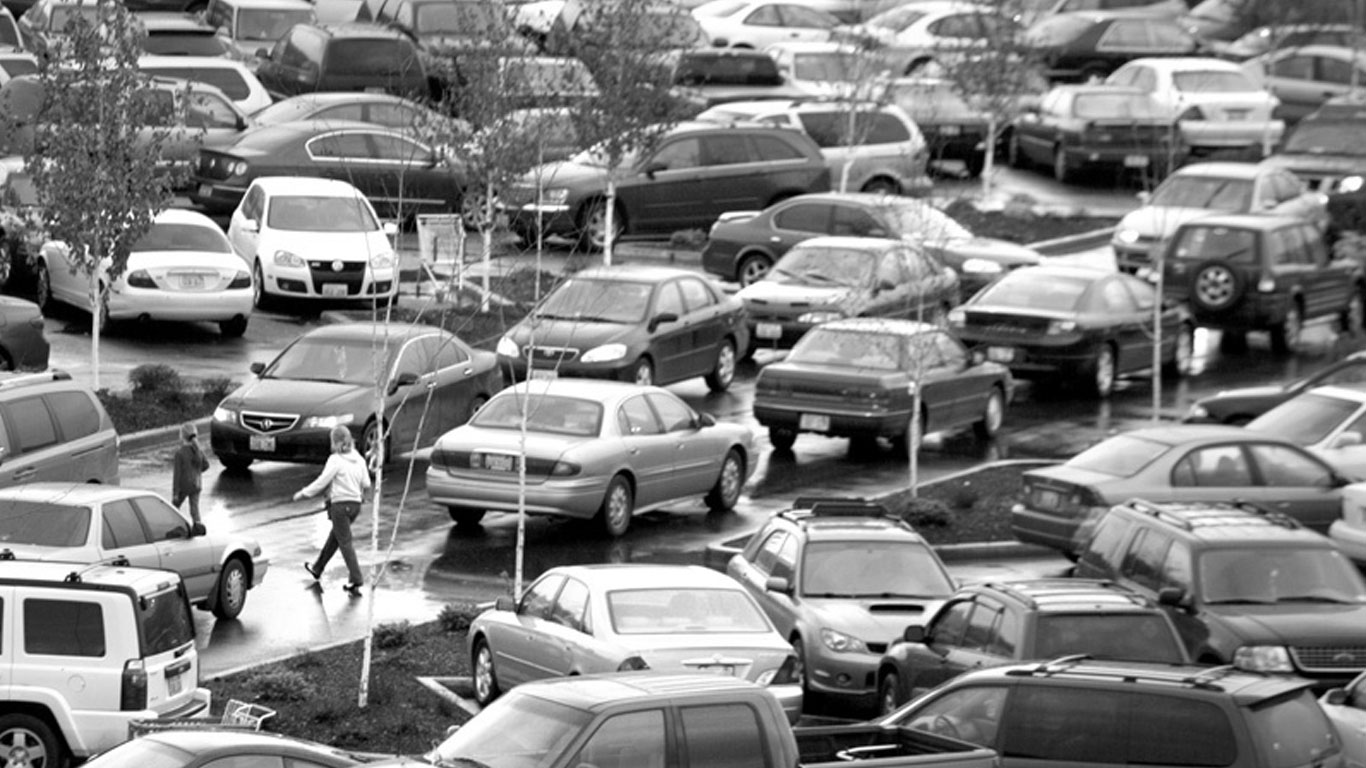
First, your top priority as you head out must remain with focusing on safety.  Traffic congestion in our area is bad enough, and only multiplies during this time of the year, especially around malls and shopping centers.  Paying extra attention, especially in parking lots, can go a long way.  Be vigilant for heavy pedestrian traffic, cars backing up and running stop signs (yes, this happens far too often in parking lots), and the always present fight for that perfect spot.

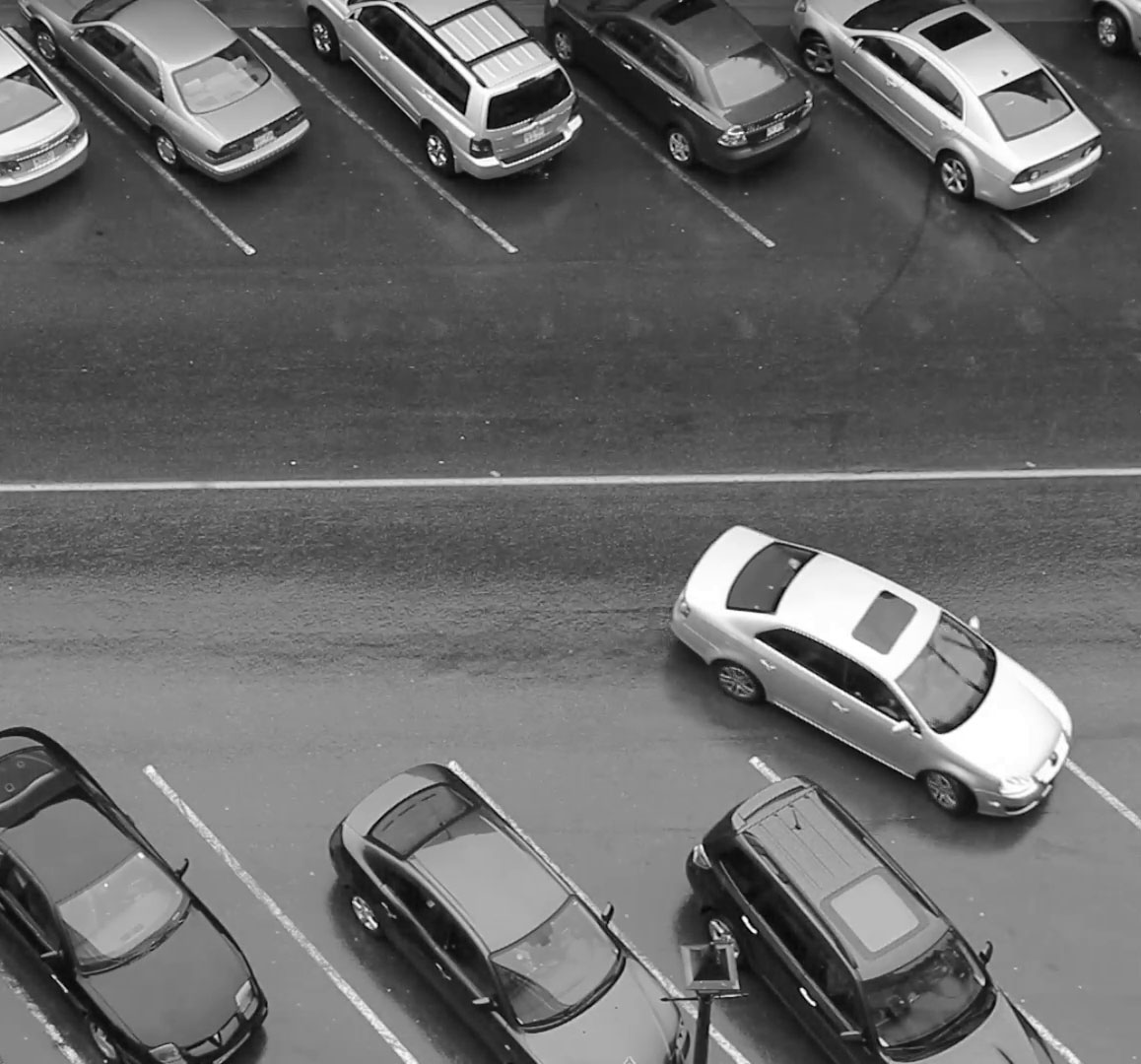
Sometimes, backing in to a spot isn’t an option, and you’re left with no choice but to pull straight through.  When it’s time to leave, be very careful while backing out of your spot.  Even with today’s collision avoidance technology and backup sensors, pedestrians, especially small children, may slip past your sensor’s field of view, and nothing (as of yet at least) can take into consideration a speeding car that you don’t notice approaching.

Although it may be an inconvenience, parking a little farther away from the entrance than you’d like can ease a lot of the stress and hazards that may occur (plus, everyone could use the exercise from walking a few more steps!).

Secondly, and an often overlooked point, is with your car.  With colder weather setting in, is your vehicle’s maintenance up-to-date?.  Has the oil been changed lately?  Have the fluids been checked and topped off if needed?  What about your tires?  Do they have the proper amount of air?  Been rotated lately?  Properly maintaining your car isn’t just about maintaining your warranty or keeping its value up, but also plays a major role in your safety and that of others.  We’ll be providing a lot more vehicle maintenance tips (especially for winter) here very soon.

Lastly, and not to spark any controversial debate, but have you planned your route?  Can you maximize your fuel efficiency and reduce your emissions footprint by perhaps bundling your shopping destinations, rather than making numerous trips?  Think about how much fuel you could save by designating a specific shopping day, traveling from home and back once as opposed to several times.  Even though gasoline prices remain low (somewhat), those few less miles used equal more loose change in your pocket.

car backing up

The holiday season is one of (if not the most) stressful times of the year, for a number of reasons that we won’t get into here.  But as we travel to destinations, trying to get caught up on all of that holiday shopping, let’s not forget the basics and do what it takes to arrive safely.  A few extra moments time isn’t going to hurt in the long run, and the peace of mind from knowing you’re doing your part to help keep everyone safe on the road goes a long way.  Happy shopping!

Return to article list

The Virginia DMV is committed to promoting transportation safety through the certification of quality driver training programs. If you have comments or concerns about this driving school, call the DMV toll-free number: (877) 885-5790

Call Us
+1 540 841 6327
Enroll Now